Author: PT
Peter Town is a born storyteller, gifted with an ability to translate both everyday quirks and deeper philosophical musing through his work. Often using strong lines, striking colours and symbolism in his pictures, Town has built a vibrant portfolio.
Born in Bethnal Green, he grew up in Liverpool and was later educated at Bath Academy of Art and the Royal College of Art. Taking advantage of his ability to communicate ideas visually, he went on to enjoy a successful career as a designer while he continued to paint and develop his artistic style through drawing, painting, photography, and printmaking.
While many of Town’s paintings use strong shapes and primary colours, such as the Stairscapes series, others are quieter and more contemplative, representing a more tranquil inner space.
His Abstracts series features works where the narrative is more ambiguous but ever-present. He sees landscapes, interior spaces and natural forms as abstract shapes and colours, transcribing these in his unique style onto paper and canvas.
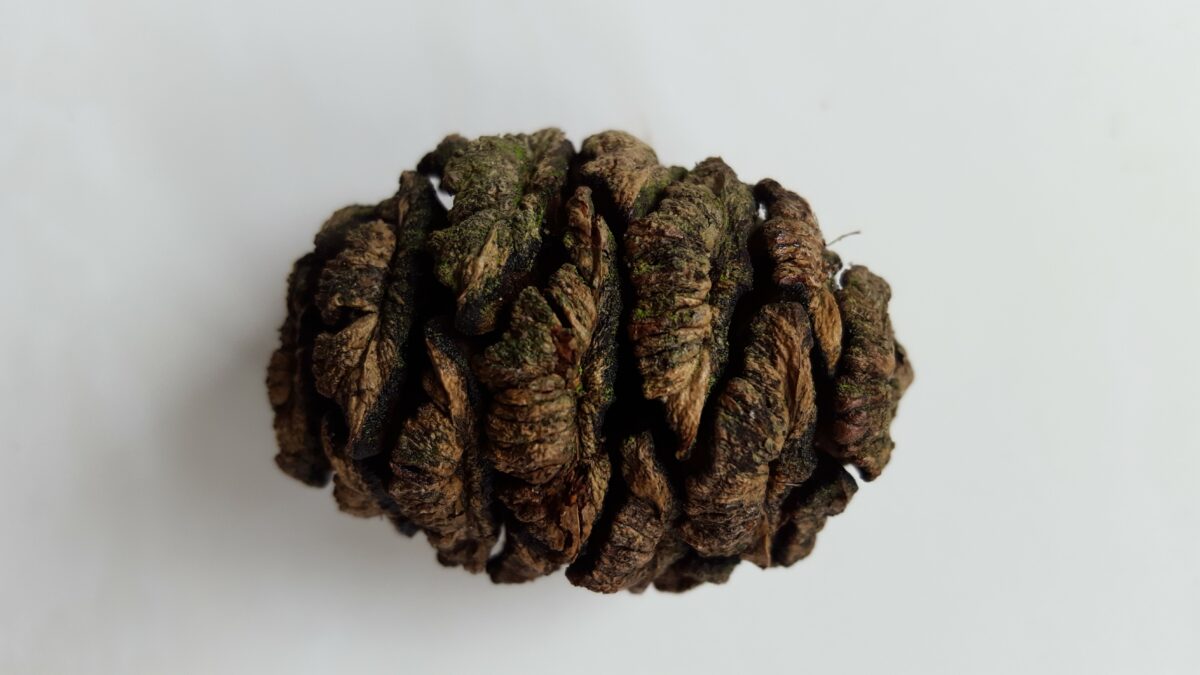
Pine cone, Windsor Great Park
33 – 945 ‘Chokolate Late’ work-in-progress
33 – 944 ‘Chokolate Late’ work-in-progress
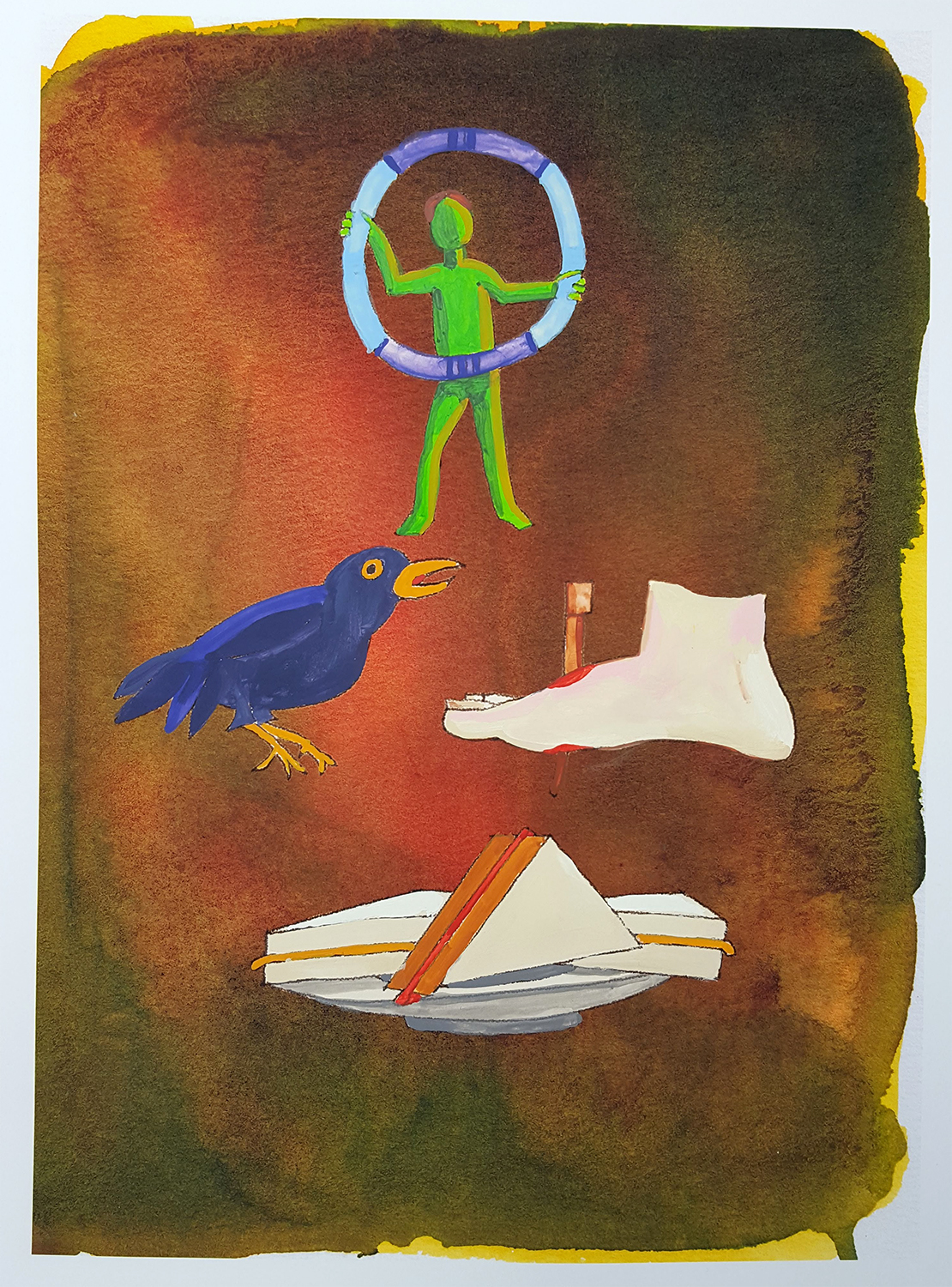
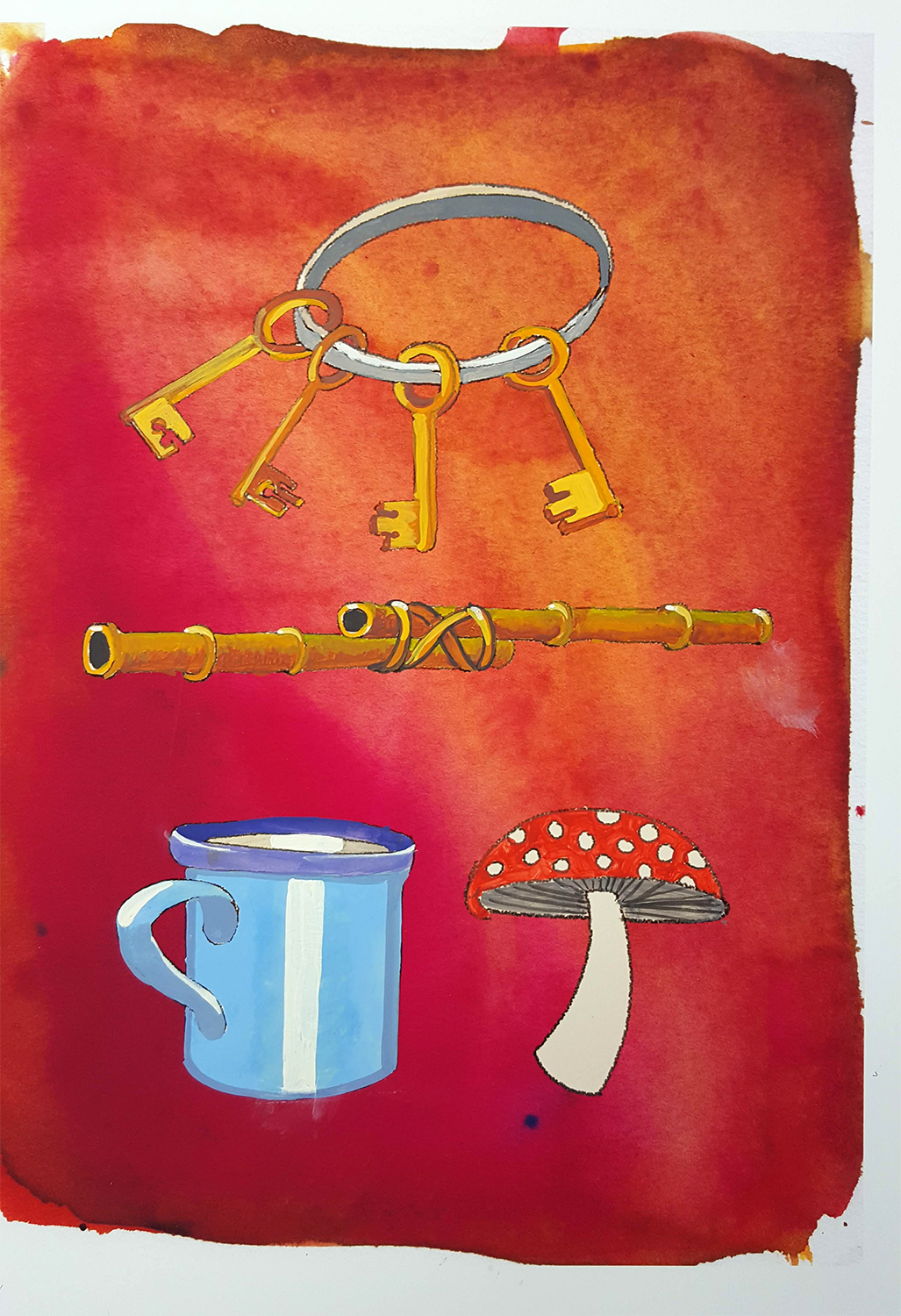
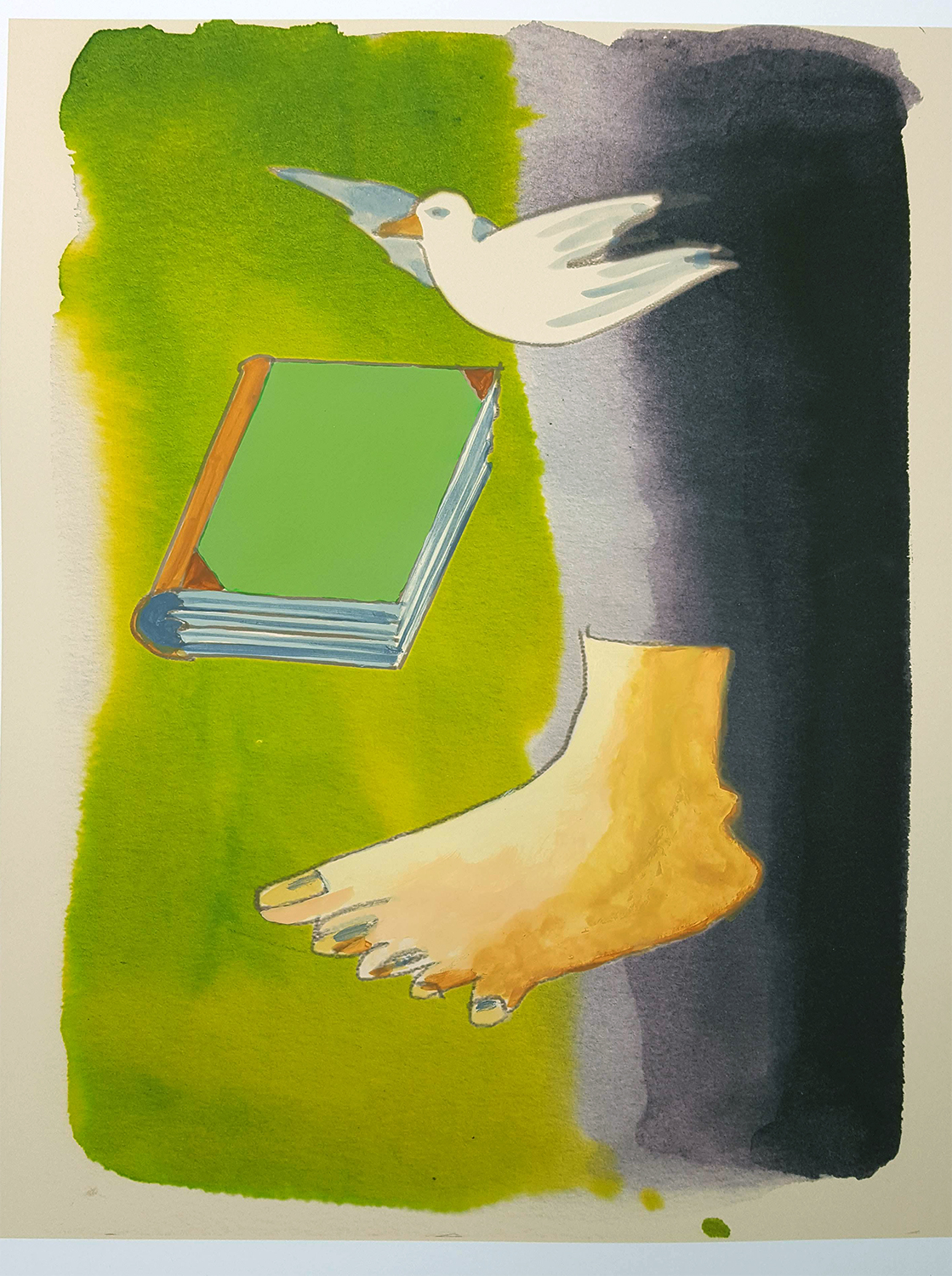
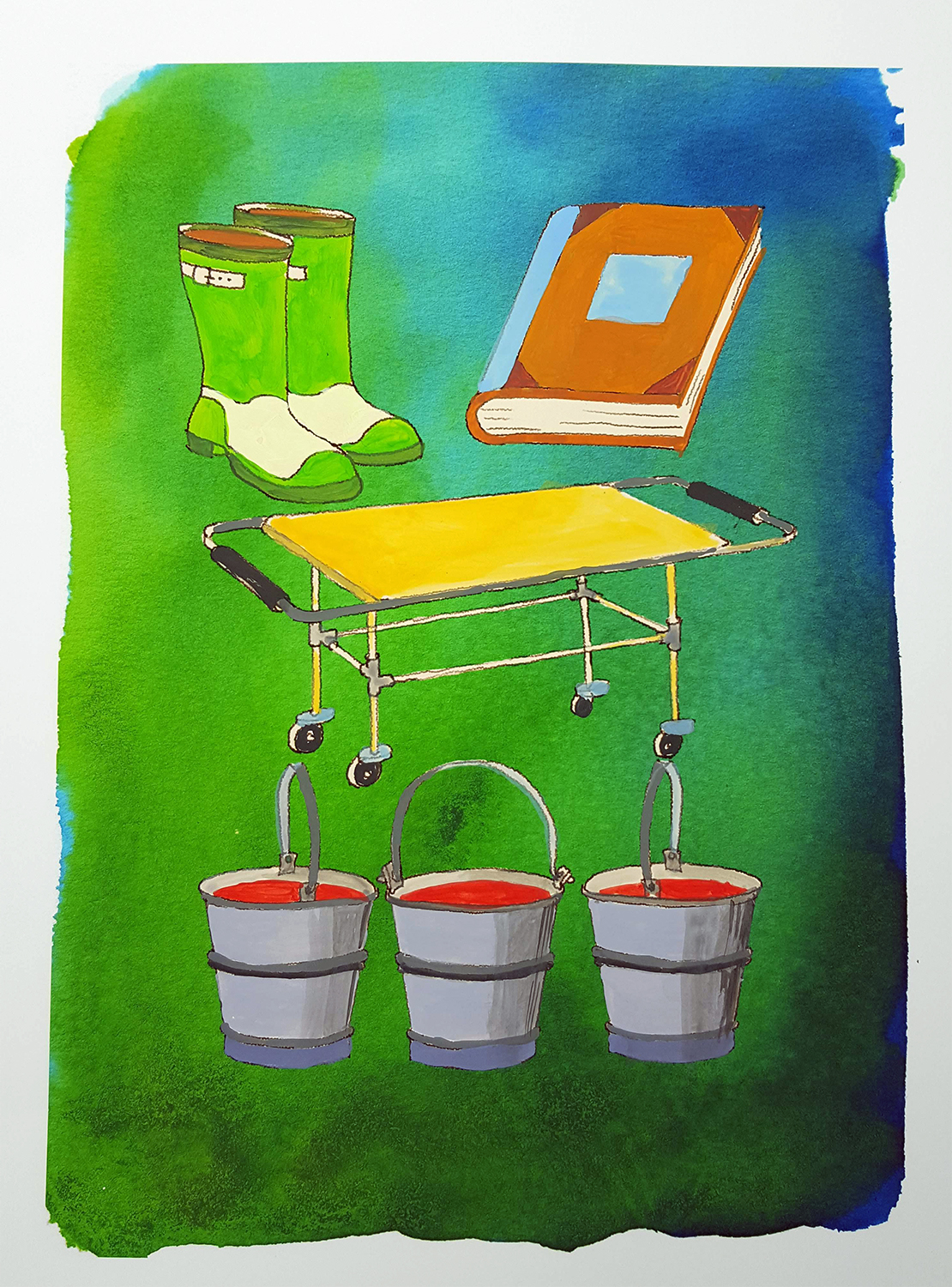
#tableauxofdreams – exploring other avenues
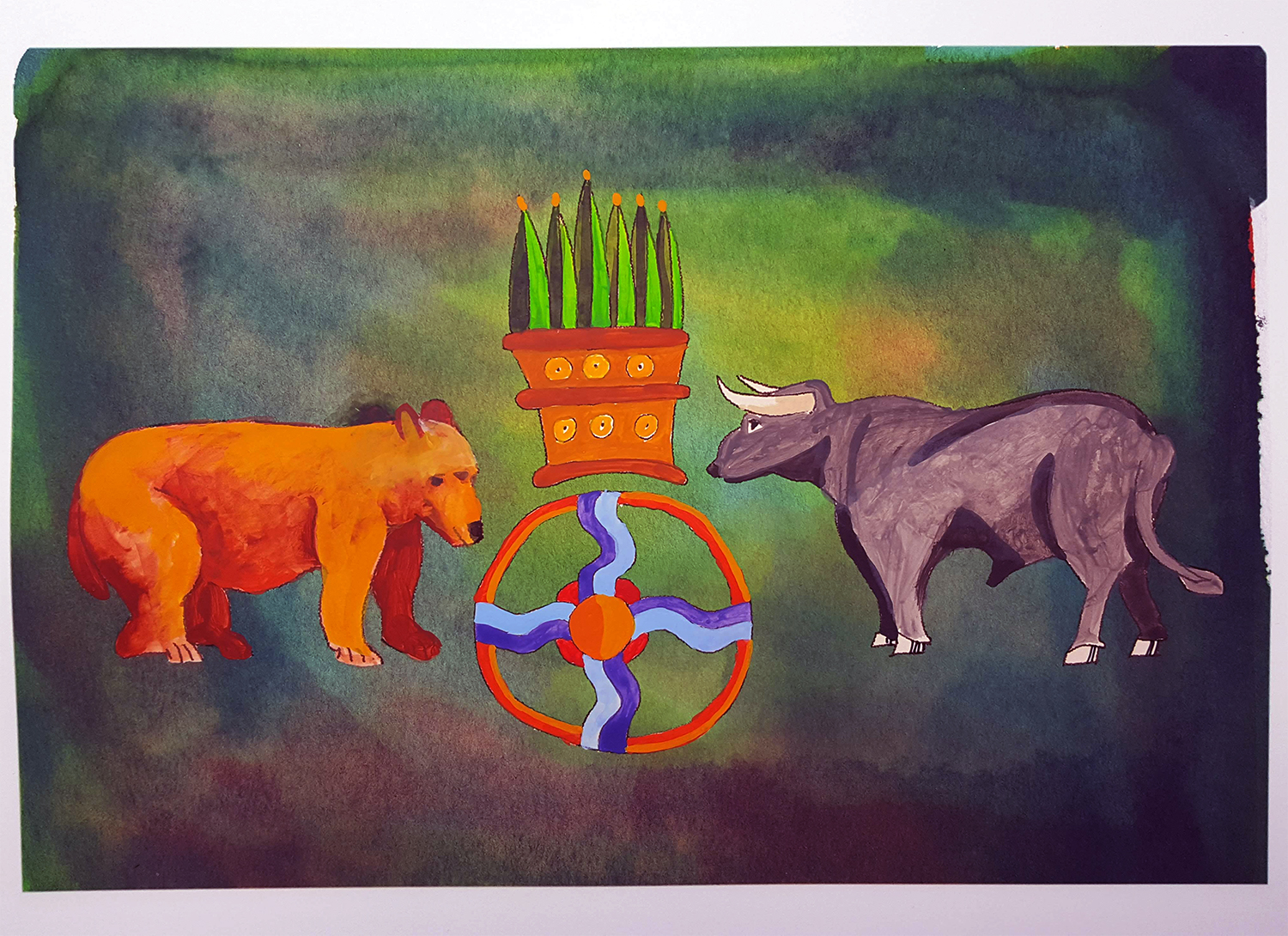
This is one of my very long-term projects which is far from being completed, as I have not yet understood sufficiently what it is about. I have completed over 100 drawings with an accompanying 10,000-word text.
I do not feel any compunction to force it to a conclusion because, as with all my projects, it will be done when it is done.
In an English garden
#curatedspaces – broad canvass
It is never easy to pin down what is quintessential to our character, but it is safe to say the English love to garden and in a singular style defined by history, climate and scale. Our garden is small in scale but filled with a wide variety of plants chosen for interest throughout the year.
There is a long tradition of artists being inspired by their gardens and in 2016 the Royal Academy of Arts put on an exhibition entitled Painting the modern garden – Monet to Matisse which was the inspiration behind this series of paintings.
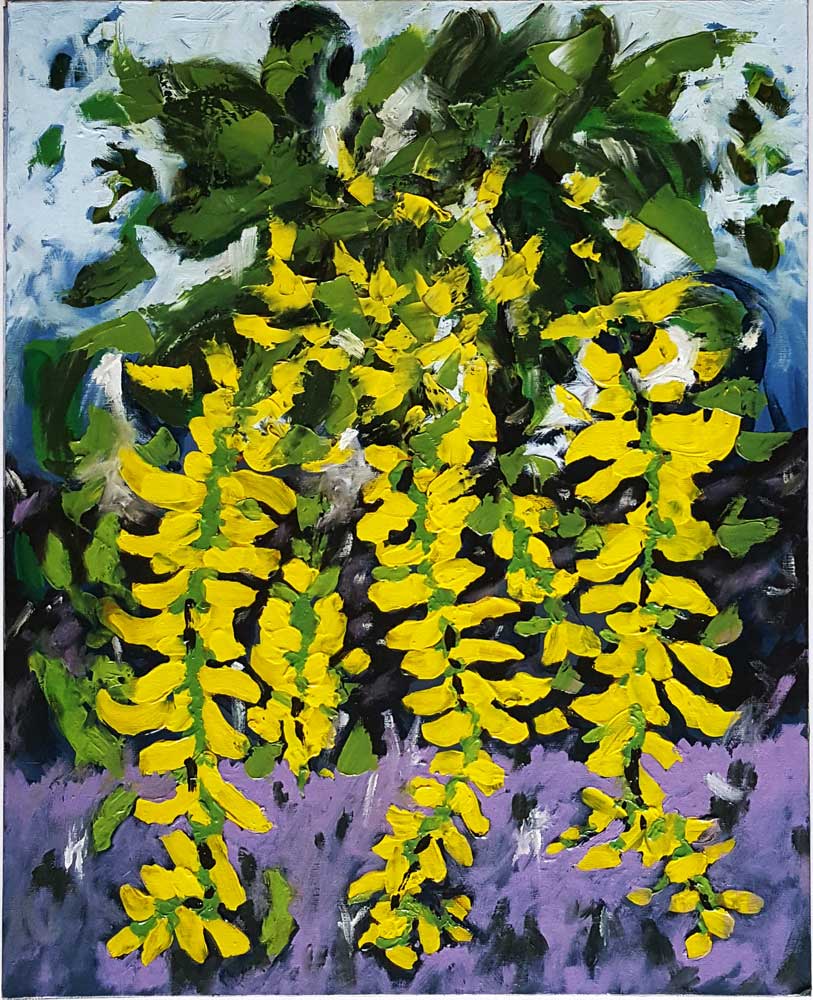
Oil sketch of a laburnum tree cascading over lilac [Cat: 0332, Laburnum, 16 x 20″ / 40 x 50 cm, Oil paint on canvass board, 2015]
Mons Chair
#Cul-De-Sac – no way out
There are certain scenes and situations that affect us in strange ways, whether it is a feeling of déjà vu or something comforting, or perhaps we are aware of a strange sensation but are unaware of the reason behind it.
Several years ago, while staying at a run-down pension in Mons – an ancient hilltop town in the south of France, way off the beaten track – I became fascinated by this scene. The pot plant blocks off access to a short flight of stairs that lead only to a disused and locked door, creating a sense of mystery, and the adjacent chair suggests that a guard or custodian has temporarily vacated their station.

A perfectly placed pot plant and chair [Cat: 0571, Chair at the top of the stairs, 20 x 24″ / 50 x 60 cm, Oil paint on canvas board, 2013]
Precursor of Lego at the Museum of Childhood, Bethnal Green
Rocks
#allthatglitters – dreams of fortunes
With dreams of fortunes and fool’s gold, dynamic crystalline geometries both reflective and translucent, rocks provide a fascinating subject to study. Holding a piece of rock is akin to holding the earth’s history in your hands, and it can be imagined as a whole mountain range in miniature. I find it very difficult to describe rocks visually. They hold a fascination for me, and I regularly seek out examples of other artists’ work for inspiration.


Trees
#solesurvivors – exploring isolation
A single tree silhouetted on the skyline is a trope of loneliness, but that does not diminish the power of such an image as a single tree is the sole survivor of a onetime forest. Trees do not grow in isolation; they are social beings that benefit from being in numbers, and we mammals have a close association and long-standing interdependence with them, as it was their early presence on the planet that exchanged the carbon-filled atmosphere for life-giving oxygen.
It is this close relationship that I like to explore in my studies of trees, bark, leaves and forests.


Reliquaries, container of divine power
#relicsandreliquaries -certainty of power
Otherwise unremarkable objects, a nail, a splinter of wood or a square of linen are imbued with the power to heal and mend broken lives by faith and their sumptuous presentation. There is an irony between the mundanity of the object, a nail, and the gold, emeralds, pearls and rubies that surround it, suggesting the uncertainty of power.
I think I can use this ‘objective irony’ to good effect in an artwork.